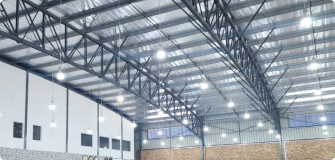
Insulation is a crucial component in the world of construction and energy efficiency, serving as a protective barrier that regulates the flow of heat, cold, and sound between different areas. It involves the use of specialised materials that possess properties to resist heat transfer, either by minimising heat gain during warmer periods or heat loss during colder periods. Insulation materials come in various forms, such as batts, blankets, foam boards, and sprays, and are installed in walls, roofs, floors, and attics.
The primary purpose of insulation is to enhance energy efficiency and comfort within buildings. By creating a thermal barrier, insulation reduces the need for excessive heating or cooling, leading to significant energy savings and decreased utility bills. It also ensures consistent interior temperatures, preventing uncomfortable fluctuations and maintaining a cozy living or working environment. Furthermore, insulation plays a pivotal role in soundproofing, dampening unwanted noise from entering or leaving a space. In colder climates, insulation prevents heat from escaping, reducing the load on heating systems, while in warmer areas, it prevents excessive heat from infiltrating, decreasing the need for air conditioning. Ultimately, insulation contributes to a more sustainable and eco-friendly built environment by curbing energy consumption and reducing the carbon footprint associated with temperature control.